Connect with us

Tech

Water Leak Detection: Supporting Preventive Maintenance

Published

on

water leak detection

Water damage is one of the most costly and disruptive problems a property owner can face, often developing silently before it becomes visible. A small, unnoticed leak can weaken structures, damage interiors, and lead to expensive repairs. Water Leak Detection plays a crucial role in preventive maintenance by identifying hidden issues early, protecting properties, and supporting long-term building health through proactive monitoring and accurate diagnosis.

Background and Purpose of Water Leak Detection

The background of Water Leak Detection is closely connected to the increasing complexity of modern plumbing systems. As buildings expanded vertically and horizontally, water lines became more concealed within walls, floors, and foundations. While this improved aesthetics and space usage, it also made leaks harder to detect.

The main purpose of water leak detection is prevention. Instead of reacting to visible damage such as stains, mold, or warped flooring, this service identifies leaks at their earliest stages. By doing so, it protects structures, preserves materials, and helps property owners maintain control over maintenance costs.

Early Development and Industry Evolution

In the early stages, detecting water leaks relied heavily on visual signs and manual inspection. Plumbers would search for damp areas, listen for dripping sounds, or rely on water meter readings. While effective in some cases, these methods were limited and often detected leaks only after damage had occurred.

Over time, Water Leak Detection evolved into a specialized field. Advances in technology introduced non-invasive methods capable of locating leaks without tearing into walls or floors. This evolution reflects a broader shift toward preventive maintenance and smarter building management.

Also Read This:- HTC Vive Pro 2: Professional-Grade VR Headset Overview

How Water Leak Detection Works

Understanding how Water Leak Detection works highlights its value. The process typically begins with an assessment of the property and plumbing layout. Technicians analyze water usage patterns and identify areas most vulnerable to leaks.

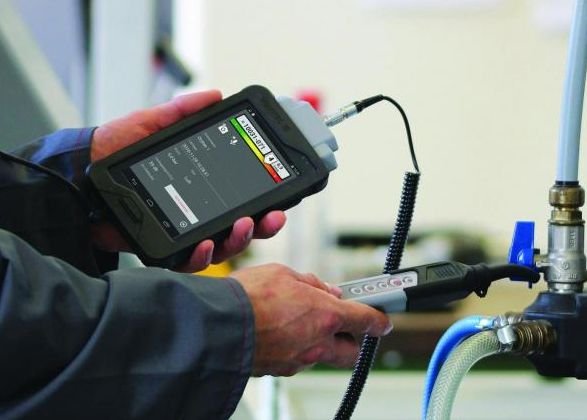
Using specialized tools, they pinpoint abnormal moisture levels, pressure changes, or acoustic signals caused by escaping water. These methods allow for precise identification of leak locations, minimizing disruption and ensuring targeted repairs rather than guesswork.

Common Types of Water Leaks

Water leaks can occur in many forms, each requiring careful attention. Common examples include pipe joint leaks, slab leaks beneath foundations, and hidden wall leaks caused by aging pipes or corrosion. Even small fixture leaks can escalate if left untreated.

Water Leak Detection addresses both visible and hidden leaks. By identifying issues regardless of location, it ensures that no problem remains undetected long enough to cause structural or financial harm.

Technology Used in Water Leak Detection

Modern Water Leak Detection relies on advanced technology to deliver accurate results. Acoustic listening devices detect the sound of water escaping under pressure. Thermal imaging identifies temperature changes caused by moisture buildup behind surfaces.

Moisture sensors and digital monitoring tools further enhance precision. These technologies work together to locate leaks efficiently while preserving the integrity of walls, floors, and ceilings.

Benefits of Early Leak Detection

Early detection offers numerous advantages. One of the most significant benefits of Water Leak Detection is preventing extensive damage. Catching leaks early reduces the risk of mold growth, wood rot, and structural weakening.

Early detection also supports water conservation. Undetected leaks can waste significant amounts of water over time, increasing utility bills. By identifying leaks promptly, property owners can manage resources responsibly and maintain efficient systems.

Impact on Property Protection and Costs

The financial impact of water damage can be substantial. Repairs often involve not only plumbing but also drywall, flooring, insulation, and sometimes electrical systems. Water Leak Detection helps avoid these cascading costs by addressing issues before they escalate.

From a property protection standpoint, early detection preserves the value and integrity of buildings. Whether residential or commercial, properties benefit from reduced downtime, fewer emergency repairs, and better long-term maintenance planning.

Residential vs Commercial Water Leak Detection

Water Leak Detection applies to both residential and commercial properties, though the scope differs. Residential detection focuses on protecting homes, apartments, and individual units from damage and inconvenience.

Commercial detection often involves larger systems with higher water usage, such as offices, hotels, or industrial facilities. In these environments, early detection is critical to prevent business disruptions and protect multiple occupants. Despite scale differences, the goal remains prevention and efficiency.

Professional Standards and Accuracy

Accuracy is essential in Water Leak Detection. Professional standards emphasize proper training, calibrated equipment, and systematic inspection methods. Accurate detection prevents unnecessary repairs and ensures that resources are used effectively.

Professional services also prioritize transparency. Clear communication about findings and recommended actions builds trust and ensures that property owners can make informed decisions about maintenance and repairs.

Relationship With Homeowners and Property Managers

The relationship between Water Leak Detection and clients is built on trust and reliability. Homeowners rely on the service to protect their living spaces and avoid unexpected expenses. Property managers depend on it to maintain multiple units and ensure tenant satisfaction.

Over time, consistent results strengthen these relationships. When clients experience reduced damage and fewer emergencies, water leak detection becomes a valued part of regular maintenance strategies.

Age, Physical Appearance, and Service Personality

In terms of maturity, Water Leak Detection represents a well-established yet continually evolving service. While its roots extend decades into the past, modern methods reflect advanced technology and refined expertise.

Its “physical appearance” is discreet and technical, characterized by compact devices and digital tools. If it had a personality, it would be calm, observant, and proactive—focused on prevention rather than reaction and always working quietly behind the scenes.

Also Read This:- Tech Feedbuzzard: Revolutionizing the Way We Consume Technology News

Future Trends and Long-Term Vision

The future of Water Leak Detection is closely tied to smart building technology. Integration with automated monitoring systems and real-time alerts is becoming more common, allowing for continuous oversight of water systems.

The long-term vision centers on sustainability, prevention, and efficiency. As awareness of water conservation and property protection grows, water leak detection will remain a cornerstone of preventive maintenance strategies for modern buildings.

Frequently Asked Questions

What is water leak detection used for?
Water leak detection is used to identify hidden or early-stage water leaks before they cause damage.

Is water leak detection non-invasive?
Yes, modern methods locate leaks without damaging walls or floors.

How does early detection save money?
It prevents costly repairs by addressing leaks before they escalate.

Can water leak detection be used in commercial buildings?
Yes, it is widely used in both residential and commercial properties.

Does water leak detection help with preventive maintenance?
Absolutely, it supports long-term maintenance by identifying problems early.

For More Updates And Stories Visit To: Dooper Magazine

Continue Reading
Click to comment

Leave a Reply

Your email address will not be published. Required fields are marked *

Trending