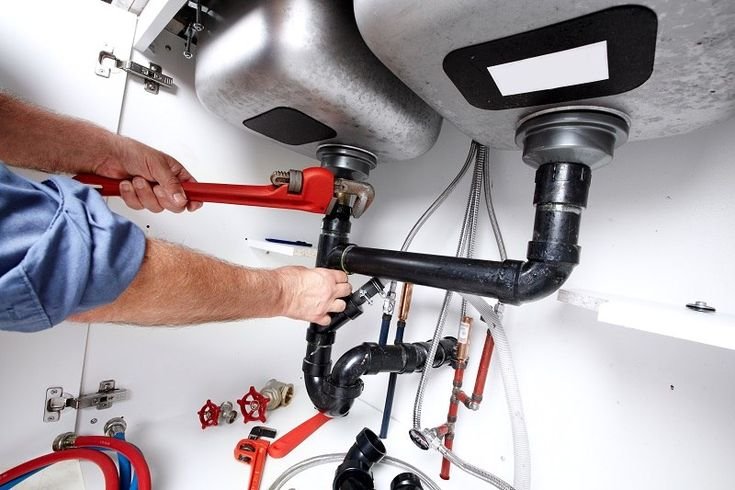
Residential Plumbing is one of the most important systems in any home, quietly supporting comfort, hygiene, and daily routines. From delivering clean water to safely removing waste, it works behind the scenes to keep households functioning smoothly. Understanding Residential Plumbing helps homeowners protect their investment and maintain a healthy living environment.
Origin and Early History
The story of Residential Plumbing stretches back thousand of years, with early civilizations developing basic water transport and drainage systems to support daily life. Ancient societies used clay pipes and stone channels to move water into homes and public spaces. As time progressed, plumbing systems evolved alongside housing structures, gradually becoming more reliable and sanitary. This early foundation shaped modern Residential Plumbing, transforming it into a carefully engineered system designed to support health, safety, and convenience inside the home.
Growth with Modern Housing Development
The growth of cities and suburban neighborhoods dramatically expanded the role of Residential Plumbing. As homes became larger and more complex, plumbing systems had to support multiple bathrooms, kitchens, and appliances. Urban expansion required standardized layouts and materials to ensure safety and efficiency. Today, Residential Plumbing is an essential element of modern housing, adapting continuously to population growth and evolving living standards.
Also Read This:- Warehouse Management Services: optimizing logistics, storage, and distribution
System Identity and Physical Structure
The physical structure of Residential Plumbing includes an interconnected network of pipes, fixtures, valves, and drains. Some elements, such as sinks, toilets, and faucets, are visible and frequently used, while others remain hidden behind walls and beneath floors. This system identity reflects both functionality and durability. A well-designed Residential Plumbing layout ensures smooth water flow, proper pressure, and efficient drainage throughout the home.
Core Residential Plumbing Services
Core services within Residential Plumbing include installation, repair, and routine maintenance. Installation covers everything from new piping systems to fixture upgrades. Repair services address leaks, clogs, and broken components that can disrupt daily life. Maintenance focuses on prevention, helping homeowners avoid costly damage. Together, these services ensure that Residential Plumbing systems remain reliable and efficient over time.
Tools, Materials, and Plumbing Technologies
Modern Residential Plumbing relies on advanced tools and materials to improve performance and longevity. Plumbers use specialized equipment for inspections, leak detection, and repairs. Materials such as copper, PVC, and PEX piping offer durability and flexibility. Technological improvements continue to enhance Residential Plumbing, making systems more efficient, quieter, and easier to maintain.
Water Supply and Drainage Systems
At the heart of Residential Plumbing are the water supply and drainage systems. Clean water enters the home through pressurized supply lines, reaching kitchens, bathrooms, and appliances. Drainage systems safely remove wastewater through gravity-assisted pipes. This balance between supply and drainage ensures sanitation and comfort. When properly designed, Residential Plumbing systems protect homes from contamination and water damage.
Relationship with Homeowners and Families
The relationship between Residential Plumbing and homeowners is deeply personal, as it affects everyday routines such as cooking, cleaning, and bathing. Families depend on reliable plumbing for comfort and hygiene. Any disruption quickly becomes noticeable, highlighting how essential Residential Plumbing is to quality of life. This dependency makes regular care and professional support especially important.
Professional Plumbers and Service Culture
Professional plumbers play a vital role in maintaining Residential Plumbing systems. Their training, certifications, and hands-on experience ensure that installations and repairs meet safety standards. Service culture emphasizes respect for homes, clear communication, and effective solutions. Skilled professionals help homeowners feel confident that their Residential Plumbing needs are handled responsibly.
Industry Standards and Regulatory Compliance
Residential Plumbing must comply with building codes and safety regulations designed to protect occupants. These standards govern materials, installation methods, and system design. Compliance ensures water quality, proper drainage, and fire safety. Following regulations is essential for long-term performance and legal compliance, making standards a cornerstone of Residential Plumbing systems.
Reputation, Reliability, and Service Quality
Reliability defines the reputation of Residential Plumbing services. Homeowners value consistent performance and quick resolution of issues. High service quality builds trust and encourages long-term maintenance relationships. When plumbing systems function smoothly, they contribute to a home’s overall reliability and comfort.
Challenges, Maintenance, and System Upgrades
Common challenges in Residential Plumbing include aging pipes, mineral buildup, leaks, and outdated fixtures. Regular maintenance helps prevent these problems from escalating. System upgrades, such as replacing old piping or installing efficient fixtures, improve performance and reduce water usage. Addressing challenges proactively extends the life of Residential Plumbing systems.
Also Read This:- Corporate Event Planner: Expert Solutions for Seamless Business Events
Future of Residential Plumbing Systems
The future of Residential Plumbing is shaped by innovation and sustainability. Smart monitoring systems, water-efficient fixtures, and environmentally conscious materials are becoming more common. These advancements help conserve resources while enhancing convenience. As technology evolves, Residential Plumbing will continue adapting to modern homes and environmental needs.
FAQs
What does Residential Plumbing include?
Residential Plumbing includes water supply lines, drainage systems, fixtures, and related components within a home.
How often should Residential Plumbing be inspected?
Routine inspections are recommended annually to identify issues early and maintain system performance.
What are common Residential Plumbing problems?
Leaks, clogged drains, low water pressure, and aging pipes are common issues in Residential Plumbing.
Can upgrades improve Residential Plumbing efficiency?
Yes, modern fixtures and piping materials can improve efficiency and reduce water waste.
Why hire a professional for Residential Plumbing work?
Professionals ensure safe, code-compliant work that protects both the home and its occupants.
For More Updates And Stories Visit To: Dooper Magazine