Piercing needles play a crucial role in safe body piercing, and understanding how they work helps both beginners and professionals achieve clean, hygienic, and well-healed piercings. This guide breaks down everything from their history to choosing the right size, ensuring anyone can make informed and confident decisions.
History of Piercing Tools
The history of body piercing stretches back thousands of years, but the tools used were drastically different from today’s streamlined piercing needles. Early cultures relied on sharpened stones, bones, thorns, or heated metal rods. These early tools were effective for spiritual and cultural rituals but lacked the sharpness and sterility needed for modern safety standards.
As body modification spread globally, metalworking advanced and hollow-core designs emerged. The introduction of medical-grade hollow needles revolutionized the industry, allowing for piercings with cleaner holes and less tissue damage. Today’s needles are manufactured through strict medical-style procedures, providing unmatched precision compared to ancient tools.
Types of Piercing Needles
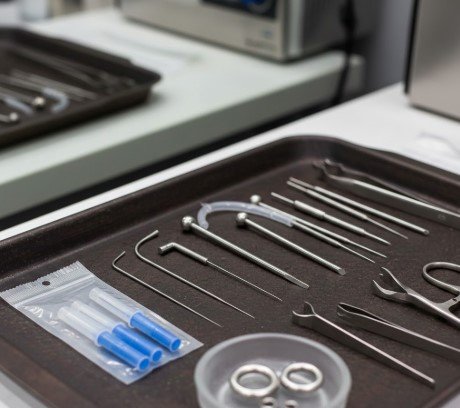
Modern piercers rely on several specific types of piercing needles, each designed for a unique purpose. The most widely used are hollow needles, which remove a tiny circle of tissue to create a clean opening for jewelry. Cannula needles, often used in hospitals, contain a plastic sheath that remains in place after the needle is removed, guiding the jewelry smoothly.
Dermal punches are another precision tool used for surface or dermal piercings, allowing for a neat, controlled opening. Piercing tapers, while not technically needles, help guide jewelry into existing holes and minimize discomfort. Together, these tools allow professionals to perform everything from delicate earlobe piercings to more complex cartilage and facial piercings.
Also Read This:- Prostavive Colibrim: A Natural Solution for Prostate Health
Sizes & Gauges of Piercing Needles
Gauge size is one of the most crucial factors in choosing the right piercing needles. The gauge refers to needle thickness, and counterintuitively, the higher the gauge number, the thinner the needle. Common sizes range from 14G to 20G, depending on the piercing location.
Earlobe and nose piercings often use 18G or 20G needles, while cartilage, belly, and lip piercings typically require 14G or 16G. Matching the gauge to the jewelry ensures smoother insertion, fewer complications, and better long-term healing. Using the wrong gauge can lead to tearing, irritation, or difficulty inserting jewelry.
Materials Used in Piercing Needles
Most high-quality piercing needles are made from stainless steel or surgical steel. These materials resist corrosion, maintain sharpness, and support proper sterilization. Medical-grade, single-use needles are the gold standard, ensuring that every piercing is performed with a sterile, uncompromised tool.
Some needles are individually sealed in sterilization pouches with clear indicators showing successful autoclave processing. These materials protect both piercer and client by reducing infection risks and ensuring consistent, professional-quality results.
How Piercing Needles Are Manufactured
The manufacturing process for piercing needles is more detailed than many people realize. Needles start as long surgical-grade steel wires that are cut, sharpened, and ground into an ultra-fine point. Hollow needles are shaped around micro-mandrels, forming a smooth interior channel that minimizes trauma during piercing.
Once formed, needles undergo ultrasonic cleaning, mechanical polishing, and thorough sterilization. Medical standards require them to be packaged in sterile, sealed containers with tamper-proof indicators. Quality testing includes sharpness checks, material purity verification, and inspection for any microscopic defects.
Piercing Needles vs Piercing Guns
Many people still wonder whether piercing guns are safe — but professionals overwhelmingly choose piercing needles instead. Guns use blunt force to punch jewelry through the skin, causing unnecessary trauma, swelling, and potential tissue damage. They also cannot be sterilized thoroughly because they contain plastic parts.
Needles, on the other hand, deliver a precise, clean cut that reduces swelling and speeds healing. They are designed for single-use, eliminating cross-contamination risks. For cartilage, nose, lips, and nearly all facial piercings, needles are not only preferred—they are essential.
How Professionals Use Piercing Needles
A professional piercer follows a strict step-by-step process to ensure every piercing is safe. First, the area is sanitized and marked for accuracy. The piercer opens the sterile piercing needles package in front of the client, ensuring transparency and trust.
A receiving tube or clamp may be used to stabilize the tissue. The needle is inserted smoothly at the correct angle, creating a clean channel for jewelry. Immediately after the needle passes through, jewelry is guided into place, minimizing discomfort. Proper placement, depth, and angle ensure long-term comfort and faster healing.
Safety, Hygiene & Sterilization Guidelines
Cleanliness is the foundation of safe piercing, and professional studios follow strict hygiene protocols. Piercing needles must always be single-use and fully sterilized. Studios rely on autoclaves, disinfected workstations, disposable gloves, and antiseptic skin preparation.
Clients should observe whether the piercer washes their hands, opens sealed needle packages, and maintains a clean environment. Proper hygiene prevents infections, cross-contamination, and long-term complications, making it one of the most important factors when choosing a studio.
Choosing the Right Needle for Each Piercing
Different piercing locations require specific piercing needles to ensure accuracy and safety. Earlobes use thin gauges, while cartilage areas need sturdier needles to pass through denser tissue. Septum piercings require hollow needles with precise angles, and belly button piercings typically use curved needles for smoother insertion.
Eyebrow, lip, and surface piercings all demand different gauge sizes as well. Understanding these variations helps professionals make informed decisions and ensures clients receive the safest possible experience.
Common Mistakes to Avoid
Even experienced piercers must avoid mistakes when working with piercing needles. Reusing tools, selecting the wrong gauge, piercing at poor angles, or working in an unclean space can lead to serious complications. DIY piercing is especially dangerous because it increases the risk of infection, improper placement, and scarring.
Clients should also avoid touching fresh piercings, using harsh cleaners, or changing jewelry too early. Knowledge and caution prevent most piercing-related issues.
Purchasing Piercing Needles: What to Look For
When buying piercing needles for professional use, it’s important to look for sterile packaging, certification labels, and tamper-proof seals. High-quality suppliers provide medical-grade needles individually wrapped with sterilization indicators.
Avoid unsealed bulk packages or low-grade metal products. Always choose reputable brands known for consistency, sharpness, and safety compliance.
Also Read This:- Cevurı: The Future of Simplified Digital Transformation
Final Tips for Beginners & Professionals
Anyone working with piercing needles should prioritize continuous learning. Beginners should practice under supervision, study anatomy, and understand how different gauges work. Professionals should stay updated on new sterilization technology, tools, and safety standards.
Clean technique, proper placement, and high-quality tools are the key ingredients of a successful piercing every time.
Conclusion / Final Thought
Understanding piercing needles is essential for anyone interested in safe body piercing, whether you’re a first-time client or a professional artist. From needle types to gauge sizes and sterilization practices, each factor contributes to healthier piercings and positive long-term results. With proper knowledge, a clean studio, and the right tools, piercings can be safe, precise, and beautifully executed.
FAQs About Piercing Needles
What are piercing needles used for?
Piercing needles are used to create a clean opening in the skin for inserting body jewelry safely and hygienically.
Are piercing needles safer than piercing guns?
Yes, piercing needles are safer because they make a clean incision, reduce tissue trauma, and are always single-use and sterile.
What gauge needle is best for most piercings?
Most ear and nose piercings use 18G or 20G needles, while cartilage and belly piercings often use 14G or 16G.
Can piercing needles be reused?
No, piercing needles should never be reused. They are single-use tools designed to prevent infection and cross-contamination.
What types of piercing needles are commonly used?
Hollow needles, cannula needles, dermal punches, and piercing tapers are the most commonly used in professional studios.
Do piercing needles hurt more than piercing guns?
No, needles are typically less painful because they create a clean, controlled opening rather than forcing jewelry through the skin.
How do I know if a needle is sterile?
Sterile needles come in sealed packaging with autoclave indicators or sterilization marks to guarantee cleanliness.
What material are high-quality piercing needles made from?
Most professional needles are made from surgical-grade stainless steel for strength, sharpness, and safety.
Can I pierce myself using a sterile needle?
DIY piercing is strongly discouraged because it increases the risk of infection, incorrect angle, and long-term damage.
How should I dispose of used piercing needles?
Used needles must be placed in a sharps container and disposed of according to proper biohazard guidelines.
For More Updates And Stories Visit To: Dooper Magazine





 Celebrity10 months ago
 Celebrity11 months ago
 Celebrity10 months ago
 Celebrity10 months ago