Many people are turning to natural hair care because it offers a gentler, more sustainable approach to achieving healthy, strong, and vibrant hair. Whether someone has curly, coily, wavy, or straight strands, natural routines focus on nurturing hair with plant-based ingredients, minimal chemicals, and balanced practices that support long-term hair strength. This shift toward cleaner beauty comes from both tradition and modern science, blending age-old wisdom with new knowledge about scalp health and hair biology. For anyone wanting healthier hair without harsh treatments, natural hair care provides a flexible and deeply nourishing path.
Biography of Natural Hair Care (History & Origins)
The roots of natural hair care trace back thousands of years, long before modern hair products existed. Many ancient cultures relied on botanical ingredients to moisturize and protect hair from the environment. Civilizations in Africa used rich butters and herbal infusions to strengthen textured hair, while early Asian traditions turned to rice water, oils, and herbal rinses for smoothness and shine. Indigenous communities around the world created natural mixtures from local plants to soften, cleanse, and nourish strands. These early practices formed the foundation of today’s emphasis on natural ingredients and gentle hair care rituals. As modern consumers move away from harsh chemicals, ancient wisdom has resurfaced as a trusted guide.
Age & Evolution of Natural Hair Care Practices
Although natural hair care has existed for centuries, its evolution into a mainstream beauty movement happened gradually. In the past few decades, people became more aware of how synthetic ingredients and excessive heat could damage hair. This sparked renewed interest in traditional techniques that prioritize moisture and minimal manipulation. Clean-beauty products emerged, offering formulations free from harsh detergents and potentially irritating additives. Today, natural routines also incorporate scientific understanding—such as hair porosity, protein balance, and scalp microbiome knowledge—blending tradition with evidence-based insights. This evolution transformed natural hair care from a niche practice into a widely embraced lifestyle.
Also Read This:- Boost Your Health with Healthier Fast Food Breakfast Options
Physical Appearance of Naturally Cared-For Hair
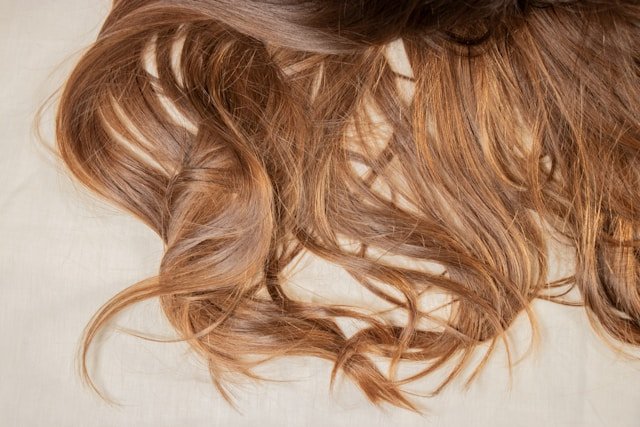
Hair that thrives under natural hair care often looks glossy, hydrated, and full of life. Regardless of hair type, natural care typically enhances its inherent characteristics: curls become more defined, waves gain smoother texture, coils appear fuller, and straight hair becomes silky with improved movement. Moisture retention is a hallmark of natural routines, so hair tends to appear softer and less frizzy. When the scalp is balanced, overall growth looks thicker and more even. A visible reduction in breakage, split ends, and dryness is another common outcome. Natural care celebrates each person’s unique hair identity rather than forcing it into a single style.
Core Principles of Natural Hair Care
Natural hair care follows several foundational principles built around nurturing hair rather than altering it. Hydration is central, often achieved through water-based products, deep conditioning, and moisturizing butters or oils. Gentle cleansing removes buildup without stripping natural oils. Many people choose minimal-chemical options to avoid dryness or irritation. The use of plant-derived oils supports softness and reduces friction during styling. Protective styles lessen damage from environmental exposure or manipulation. Finally, scalp-focused routines encourage healthy hair growth by addressing dryness, buildup, or sensitivity. Together, these principles form a holistic approach that protects hair’s natural structure and moisture barrier.
Types of Natural Hair Care Methods
There are many variations within the broader concept of natural hair care, allowing individuals to choose routines that match their hair type and lifestyle. Curly hair care often emphasizes deep moisture, curl definition products, and low manipulation. Coily hair thrives with heavier creams, butters, and protective styles. People with straight or wavy hair often use lightweight natural oils or gentle cleansing to avoid weighing down strands. Ayurvedic practices, drawn from Indian traditions, rely on herbs such as amla, brahmi, hibiscus, and fenugreek to strengthen roots and soothe the scalp. Protective styling—like twists, braids, or buns—helps reduce breakage in every hair type. These varied methods show how adaptable natural routines can be.
How Natural Hair Care Relates to Scalp Health & Personal Lifestyle
A strong connection exists between natural hair care and scalp wellness. A healthy scalp provides the best foundation for growth and resilience, and natural routines often include massages, oil treatments, and gentle exfoliation to promote balance. Lifestyle plays a major role too—stress levels, diet, hydration, sleep, and environmental exposure all impact hair health. Natural hair care encourages holistic thinking, reminding individuals that hair reflects overall well-being. People who maintain consistent routines generally report improvements in softness, shine, and manageability. Because natural care is customizable, it aligns easily with different schedules and personal preferences.
Common Natural Ingredients Used in Hair Care
Many plant-based ingredients form the backbone of natural hair care. Coconut oil is favored for its penetrating properties, nourishing the inner layers of the hair shaft. Shea butter offers rich moisture and protects ends from dryness. Aloe vera soothes the scalp and adds hydration without heaviness. Rosemary and castor oil are often used to support circulation and maintain a balanced scalp environment. Argan oil provides shine and softens hair cuticles. Tea tree oil’s cleansing properties can help with scalp buildup. Meanwhile, hibiscus and herbal rinses add softness and shine. Each ingredient brings unique benefits that support natural routines.
Products to Avoid in Natural Hair Care
While many ingredients promote healthy hair, certain additives can work against the goals of natural routines. Harsh sulfates may strip the hair of moisture, leaving it brittle. Drying alcohols can reduce elasticity. Silicones may create buildup over time if not removed properly, affecting moisture balance. Parabens and artificial fragrances may irritate sensitive scalps. Overuse of heat tools weakens hair strands and leads to breakage. Removing or reducing these products aligns well with the philosophy of natural hair care, creating a cleaner environment for the hair to thrive.
Popular Natural Hair Care Techniques
Several techniques are commonly used in natural hair care routines. Deep conditioning boosts moisture levels and elasticity, making hair stronger and more manageable. Steaming enhances product absorption and softens the cuticle. Oiling or pre-pooing protects hair before cleansing. Detangling with wide-tooth combs or fingers prevents unnecessary breakage. The LOC or LCO method helps seal moisture into textured hair using a sequence of liquid, oil, and cream. Scalp massages encourage relaxation and promote healthy hair growth environments. Protective styling keeps hair safe from friction and weather. These techniques empower individuals to maintain a strong, consistent routine.
Challenges People Face in Natural Hair Care
Although rewarding, natural hair care can also present challenges. Many people struggle with dryness, frizz, or shrinkage, especially when transitioning from chemical treatments to natural routines. Identifying the right products or ingredients may take time. Understanding porosity, density, and curl pattern can feel overwhelming for beginners. Some individuals experience breakage while learning proper detangling. Others may find natural products heavier or lighter than expected. These challenges are normal, and patience is one of the most important ingredients in any natural hair journey. Over time, consistency usually leads to noticeable improvements.
How to Build a Personalized Natural Hair Care Routine
Creating an effective natural hair care routine requires understanding your hair’s needs. Identifying hair porosity helps determine whether it prefers light oils or heavier moisturizers. Choosing sulfate-free cleansers and hydrating conditioners lays the foundation for moisture retention. Regular trims support healthy ends, while deep conditioning builds strength. Experimenting with oils, creams, and styling methods helps reveal what works best. Setting realistic goals—whether reducing frizz, improving shine, or promoting growth—gives direction to your routine. A personalized approach ensures that natural hair care feels enjoyable and sustainable.
Trends & Future Developments in Natural Hair Care
The future of natural hair care looks promising, with innovations bridging nature and technology. Many brands are developing plant-based formulations supported by scientific research. AI tools are beginning to analyze hair characteristics and recommend personalized routines. Sustainable packaging and eco-friendly production methods continue to grow. Ingredient blends tailored to specific scalp needs are becoming more common. These trends highlight how natural hair care is moving toward a more customized, environmentally conscious future.
Also Read This:- Whole Foods Market Cerrillos Road Santa Fe NM: A Complete Shopper’s Guide
Conclusion
Choosing a natural hair care approach opens the door to healthier, stronger, and more radiant hair. By embracing gentler routines, nourishing ingredients, and mindful practices, individuals can support both scalp balance and hair resilience. Natural care celebrates individuality and encourages a deeper connection to personal wellness. With patience, consistency, and the right techniques, anyone can build a hair care routine that honors their natural beauty and adapts to their unique lifestyle.
FAQs
Is natural hair care suitable for all hair types?
Yes, it can be adapted for curly, coily, wavy, or straight hair through customized routines.
Do natural ingredients really make a difference?
Many people experience improved moisture, softness, and strength when using plant-based products.
How long does it take to see results?
It varies by individual, but consistent care often shows improvements within a few weeks.
Can natural hair care help reduce breakage?
Gentle detangling, moisturizing techniques, and protective styles often lead to less breakage.
What is the biggest challenge in starting natural hair care?
Identifying the right products and understanding hair texture can take time, but the results are worth it.
For More Updates And Stories Visit To: Dooper Magazine





 Celebrity10 months ago
 Celebrity11 months ago
 Celebrity10 months ago
 Celebrity10 months ago