A Vintage Wall Clock is more than just a timepiece—it is a statement of history, craftsmanship, and timeless décor. These clocks bring character to any room, blending nostalgia with artistry in a way modern pieces often cannot. Whether collected for aesthetics, heritage, or investment, vintage wall clocks remain a cherished décor element because of their timeless appeal and authenticity.
History and Evolution of Vintage Wall Clock Designs
The history of Vintage Wall Clocks dates back centuries, long before electronic clocks were invented. Early wall clocks were mechanically driven with weights and pendulum, requiring fine craftsmanship and precise engineering. During the 19th and early 20th centuries, clockmakers created beautifully carved wooden cases, intricate metal frames, and ornate dials that made each clock feel like a piece of functional art.
By the mid-century era, clocks evolved into modern, sleek forms influenced by minimalism and geometric shapes. Later decades introduced industrial designs, using metal, rivets, and bold numbering. This evolution shows how wall clocks reflected lifestyle trends, technological advancements, and artistic movements of their time. Understanding these eras helps appreciate the uniqueness and craftsmanship behind each vintage piece.
Why Vintage Wall Clocks Remain Popular Today
There are many reasons Vintage Wall Clocks continue to thrive in today’s décor world. First, they offer unmatched character and warmth. A vintage clock can instantly transform a plain wall into a stylish focal point. Their aged wood, brass, patina, and hand-crafted details add personality that mass-produced décor often lacks.
Additionally, vintage clocks are durable. Many were made using high-quality materials designed to last for generations. This long lifespan appeals to buyers who appreciate sustainable, timeless items. Vintage wall clocks are also sought after for their nostalgic charm—people love owning something with a story, whether it’s a mid-century kitchen clock or a Victorian pendulum timepiece. Their blend of history and function keeps them relevant in modern homes.
Also Read This:- Customer Relations: How AMC Furniture Engages With Buyers
Most Iconic Styles of Vintage Wall Clocks
Throughout the decades, certain styles of Vintage Wall Clocks have become iconic. Art Deco clocks are known for their geometric shapes and luxurious metallic finishes. Mid-century clocks feature bold numbers, atomic sunburst designs, and sleek wooden frames that embody 1950s style.
Farmhouse and rustic clocks from earlier decades showcase distressed wood, oversized numerals, and metal detailing. Industrial wall clocks, inspired by factories and warehouses, often feature iron frames and minimalistic dials. Pendulum clocks, cuckoo clocks, and regulator clocks represent classic European craftsmanship. Each style offers its own personality, making vintage clocks versatile enough to match nearly any décor theme.
Materials and Craftsmanship in Vintage Wall Clock Making
The craftsmanship behind Vintage Wall Clocks is one of the main reasons they remain valuable. Many were built by skilled artisans using solid wood such as oak, walnut, or mahogany. Wood casings were often hand-carved, varnished, or polished for a rich, long-lasting finish.
Brass, wrought iron, and enamel were used for detailing and mechanical components. The glass protecting the dial was often thicker and more durable than today’s versions. Precision engineering allowed pendulums and gears to operate smoothly, which is why many mechanical clocks still run decades later. This combination of premium materials and expert technique makes vintage clocks both beautiful and durable.
How to Identify Authentic Vintage Wall Clocks
Authenticity is essential when purchasing Vintage Wall Clocks. Start by examining the materials—true vintage clocks show signs of natural aging, such as patina on metal, slight wear in wood grain, or aging on the clock face. Labels or manufacturer stamps on the back or inside mechanisms can reveal the maker and production era.
Mechanical clocks often have hand-assembled parts, unlike modern replicas which use low-cost factory components. The clock hands, numbering, and dial design should align with the style of the supposed era. Authentic vintage clocks also feature heavier weight because older materials like solid wood and brass were commonly used. These details help distinguish genuine pieces from reproductions.
Common Features and Mechanisms in Vintage Wall Clocks
Most Vintage Wall Clocks feature mechanical or pendulum mechanisms that require winding. These mechanisms are intricate and crafted with precision, allowing them to keep time without electricity. Some clocks use a weight-driven system, while others rely on spring mechanisms.
Vintage electric clocks became popular in the mid-20th century, featuring early plug-in systems. Many have retro typography, chrome elements, or Bakelite casings. Additional common features include Roman numerals, ornate hands, chimes, or decorative pendulums. These features reflect the craftsmanship and technology of their era.
Where to Buy Genuine Vintage Wall Clocks
There are many places to find authentic Vintage Wall Clocks. Local antique shops, estate sales, and flea markets often carry unique pieces with character. Vintage and thrift stores may also stock retro wall clocks from mid-century periods.
Online collectors’ markets, auction platforms, and reputable vintage sellers can offer rare or high-value clocks from well-known makers. When purchasing online, request detailed photos of the mechanism, casing, and any marks that authenticate the piece. Buying from reputable dealers ensures you receive a clock with verified age and condition.
Price Range, Collectible Value & What Affects Pricing
The value of Vintage Wall Clocks varies widely depending on the maker, age, rarity, condition, and craftsmanship. Simple mid-century clocks may cost under $100, while ornate antique pendulum clocks from known brands can reach several hundred or even thousands. Handmade clocks with intricate woodwork or limited-edition designs often carry higher value.
Condition also plays a major role. Clocks with original parts and minimal restoration tend to be worth more. Functional mechanical clocks are more valuable than non-working ones. Collectors seek clocks that represent specific historical styles or rare timekeeping mechanisms, which may increase the resale value over time.
How to Style Vintage Wall Clocks in Modern Homes
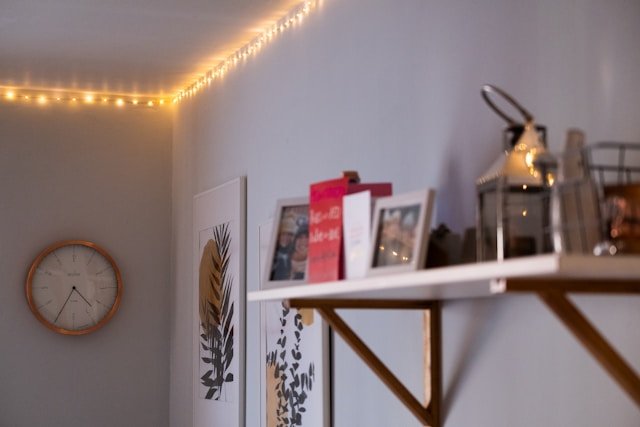
Styling Vintage Wall Clocks is easier than many people think. These clocks add charm to minimalist interiors by acting as an eye-catching feature on a plain wall. In farmhouse or rustic homes, wooden clocks blend seamlessly with warm textures and natural décor.
A mid-century clock fits beautifully in retro or Scandinavian-inspired spaces. Industrial clocks pair well with metal furniture, exposed brick, or loft-style designs. Large statement clocks can anchor a gallery wall or serve as a centerpiece above a fireplace. By choosing the right location and complementing décor, vintage clocks elevate any modern home.
Care and Maintenance Tips for Vintage Wall Clocks
Proper care ensures that Vintage Wall Clocks remain functional and beautiful for decades. Keep the clock dust-free using a microfiber cloth. Avoid harsh chemicals that may damage wood or metal. For mechanical clocks, regular winding is essential—usually once a week for older pendulum clocks.
Avoid exposing the clock to direct sunlight or extreme humidity, which can affect wood or mechanical parts. Lubricating internal mechanisms occasionally helps maintain smooth operation. With consistent care, a vintage wall clock can become a long-lasting family heirloom.
Also Read This:- Casual Lifestyle Vibes With Vest for Men: A Complete Guide to Modern Style, Comfort, and Everyday Fashion
Repair, Restoration & Professional Servicing
Restoring Vintage Wall Clocks requires skilled craftsmanship. Professional clockmakers can repair mechanical systems, replace damaged gears, and restore pendulums or chimes. Wood cases can be refinished or polished to renew the exterior while preserving original details.
Electrical retro clocks may need rewiring to ensure safety. Avoid DIY repairs on mechanisms unless you have experience—vintage clock parts are delicate and can be easily damaged. Professional servicing keeps the clock functioning correctly and maintains its long-term value.
Why Collectors Love Vintage Wall Clocks
Collectors appreciate Vintage Wall Clocks for their history, beauty, and engineering. These clocks represent specific design eras, from Victorian craftsmanship to mid-century modern minimalism. Many collectors enjoy the hunt for rare or unique pieces that reflect cultural and artistic trends.
Vintage clocks also provide sentimental value. Some are passed through generations, while others carry stories from the homes they once decorated. Their combination of artistry and function makes them highly desirable items in the collector’s world.
Final Thoughts on Owning a Vintage Wall Clock
Owning a Vintage Wall Clock brings charm, history, and timeless elegance into any space. Their craftsmanship, durability, and distinct appeal make them far more than simple timepieces. Whether you’re buying for décor, collecting, or investment, understanding styles, authenticity, care, and maintenance helps you choose a clock that will remain beautiful for years. A vintage wall clock is not just décor—it is a piece of history that continues ticking forward.
FAQs
Are vintage wall clocks valuable?
Yes, depending on age, craftsmanship, maker, and condition.
Can vintage wall clocks still work today?
Absolutely—many mechanical clocks still function with proper care.
What style of vintage wall clock is most popular?
Mid-century, farmhouse, and Art Deco clocks rank among the most sought after.
Can vintage wall clocks be repaired?
Yes, clockmakers can restore mechanical and structural components.
How do I know if a wall clock is authentic?
Check materials, maker marks, mechanism type, and signs of natural aging.
For More Updates And Stories Visit To: Dooper Magazine





 Celebrity10 months ago
 Celebrity10 months ago
 Celebrity10 months ago
 Celebrity9 months ago