Connect with us

Fashion

Modern Lifestyle Meets Rugged Fashion in Winter Hiking Boots

Published

on

winter hiking boots

The origins of winter hiking boots trace back to early mountaineering and alpine adventures, where the primary concern was safety and warmth. In the early 20th century, hiking boots were clunky and handcrafted using raw leather with hobnail soles. As hiking culture grew, especially after World War II, footwear manufacturers began prioritizing comfort, durability, and weather protection.

Modern innovations have transformed these utilitarian boots into essential lifestyle gear. With the rise of urban outdoor fashion, especially in colder regions, rugged hiking boots have made their way into everyday wardrobes, bridging the gap between adventure-ready footwear and stylish winter wear.

Built for the Cold: Physical Appearance and Key Features

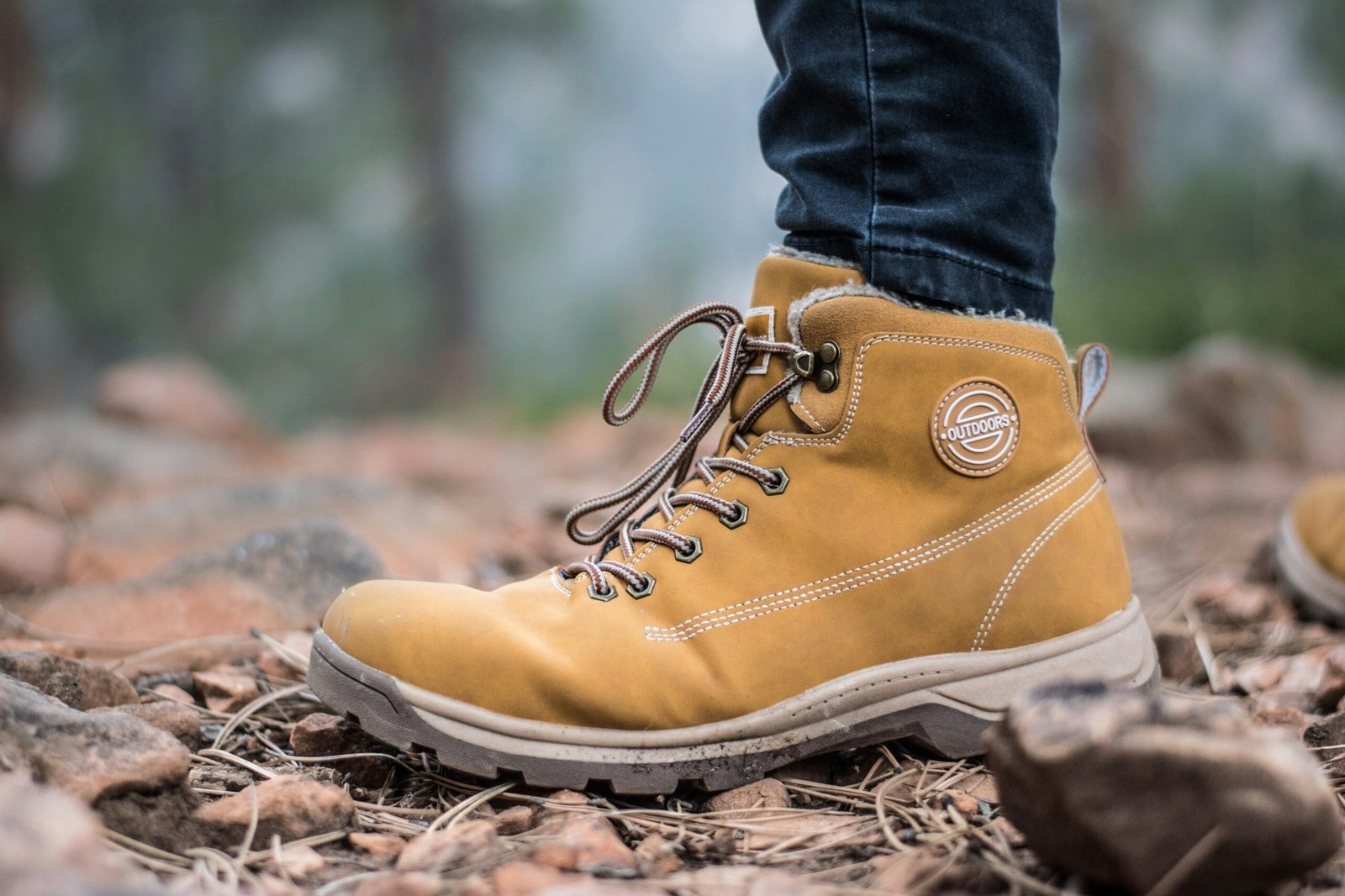
Today’s winter hiking boots are designed to stand out as much on snowy trails as they do in coffee shops or city sidewalks. Visually, they feature high ankle support, thick insulation, and a solid rubber outsole engineered for traction on icy surfaces.

Many designs include waterproof linings, such as Gore-Tex, to keep feet dry, and insulation layers like Thinsulate or wool-blends for warmth. Aesthetically, they’ve evolved from bulky boots to sleeker silhouettes that can easily complement layered winter outfits. From matte leather to rugged suede, these boots come in a range of finishes that merge function with fashion.

The Soul of a Hiker: Winter Hiking Boots and Outdoor Culture

For serious hikers, winter hiking boots are more than just gear — they’re trusted companions that offer stability, warmth, and endurance during harsh winter conditions. Whether trekking across icy trails, snow-dusted mountain paths, or muddy backwoods, these boots provide the confidence and support necessary for navigating the elements.

Their design reflects the needs of hikers: grippy soles, breathable yet insulated linings, and ankle protection. Over time, the hiking community has grown to view winter boots as symbols of strength, resilience, and preparedness — a reflection of their adventurous spirits.

Function Meets Fashion: The Modern Lifestyle Appeal

In today’s world, fashion doesn’t have to sacrifice function — and winter hiking boots are proof. As outdoor fashion gains mainstream attention, these boots are now being styled for everyday use. Whether you’re navigating snow-covered city streets or heading out for a mountain retreat, they blend seamlessly into both urban and outdoor wardrobes.

Designers and influencers have brought rugged styles into winter fashion lookbooks. Paired with wool coats, puffer jackets, or chunky knitwear, these boots offer a stylish contrast and anchor winter outfits with authenticity.

Who Wears Them? From Hikers to Hipsters

The appeal of winter hiking boots is incredibly diverse. Traditionally worn by hikers, backpackers, and mountaineers, they’ve now found a loyal following among city dwellers, fashion enthusiasts, and even celebrities.

Brands have responded by releasing collections that cater to both performance needs and streetwear aesthetics. Gender-neutral styles are increasingly popular, offering unisex designs that suit both practicality and personal taste.

Also Read This:- Discover cal crutchlow and His Motorcycle Racing Achievements

Seasonal Star: Why Winter is Their Time to Shine

While hiking boots can be worn year-round, winter is when they truly prove their value. Their ability to withstand freezing temperatures, snow, and ice makes them essential for daily wear in colder climates.

Unlike fashion boots, winter hiking boots are equipped with features like thermal linings, anti-slip soles, and reinforced toes — ideal for navigating slippery streets and snow-covered sidewalks. At the same time, their rugged appearance adds an edge to winter fashion, making them both useful and trendy.

Comfort is King: Inside the Design

A key reason for the surge in popularity is comfort. Modern winter hiking boots are built with ergonomic support, padded collars, and shock-absorbing midsoles to prevent fatigue on long walks or hikes.

Interior linings wick away moisture while retaining heat, keeping feet dry and cozy throughout the day. Some premium models even include removable footbeds, allowing wearers to customize their comfort and arch support.

The Aesthetics of Ruggedness: Styling Tips

Styling winter hiking boots is easier than you might think. They pair perfectly with denim jeans, cargo pants, and even leggings. Top off the look with a parka, flannel shirt, or wool sweater for a cohesive winter outfit.

For a sleeker vibe, choose boots in darker shades like black or charcoal, and match them with tailored outerwear. If you’re going for a rugged, trail-inspired look, lighter tones like tan or olive green add a touch of authenticity.

Also Read This:- WFMZ: Breaking Down the News, Weather, and Coverage It Provides

Buying Guide: Choosing the Right Winter Hiking Boots

When choosing the right pair of winter hiking boots, several factors matter:

  • Fit: Ensure enough toe room while keeping your heel snug
  • Insulation: Look for ratings suitable for your region’s climate
  • Water Resistance: Vital for snow and slush
  • Traction: A must for ice and slippery terrain
  • Weight: Lightweight boots offer agility, while heavier ones give more support

Top-rated brands include Merrell, Columbia, Salomon, and Timberland, each offering a variety of styles and performance levels to suit casual walkers or backcountry explorers.

Maintenance and Longevity: Keeping Your Boots Trail-Ready

Taking care of your winter hiking boots will extend their lifespan significantly. Regular cleaning with a brush and mild detergent prevents salt and dirt buildup. For leather pairs, apply conditioner to avoid cracking.

Always dry your boots naturally—away from heaters—to preserve the materials. Reapply waterproofing spray as needed, especially after prolonged exposure to wet conditions.

Cultural Impact: Boots in Media and Popular Culture

From films to fashion campaigns, winter hiking boots have earned a place in pop culture. They’ve been featured in wilderness survival movies, street-style photoshoots, and even on runways.

Their rugged look has become symbolic of adventure and authenticity. Influencers and stylists use them to represent groundedness and connection to nature, reinforcing their crossover from technical gear to lifestyle staple.

Conclusion: The Boot That Walks Between Worlds

Winter hiking boots are a rare mix of rugged performance and urban style, bridging two worlds — the wild outdoors and modern city life. With their timeless design, technical reliability, and evolving fashion appeal, these boots are here to stay. Whether you’re venturing into snowy trails or just heading downtown in a storm, these boots have your back — and your feet.

FAQs

Are winter hiking boots waterproof?
Yes, most are designed with waterproof membranes like Gore-Tex to keep feet dry in snow and slush.

Can I wear winter hiking boots for daily city use?
Absolutely. Many designs are made to suit urban lifestyles while offering protection against winter weather.

Are they suitable for extreme cold?
Yes, with proper insulation like Thinsulate or wool, they’re made for sub-zero temperatures.

Do they need special socks?
Wearing moisture-wicking or thermal socks enhances warmth and comfort.

How do I clean winter hiking boots?
Use a soft brush and mild soap. Avoid direct heat when drying, and reapply waterproofing as needed.

What’s the best brand for winter hiking boots?
Top-rated brands include Merrell, Salomon, Columbia, The North Face, and Timberland.

Are winter hiking boots heavy?
Some models are heavier due to insulation and thick soles, but many newer designs are lightweight and agile.

Can I hike in the snow with them?
Yes, they’re built for snow hiking with features like grip soles and thermal protection.

How long do they last?
With proper care, a good pair can last 3 to 5 winters or more, depending on usage.

For More Updates And Stories Visit To: Dooper Magazine

Continue Reading
Click to comment

Leave a Reply

Your email address will not be published. Required fields are marked *

Trending